
The Witcher 3: Wild Hunt Wiki guide · Remastered
The Witcher 3 Remastered skill build guide
Choose one primary answer to combat, satisfy its prerequisites first, then add a defensive and preparation layer instead of spreading points across every branch.
01 / Prerequisites
Prepare before leaving
- ✓Understand the difference between fast, strong, sign and alchemy play.
- ✓Keep a save before committing a full re-spec.
- ✓Use gear that supports the skills you choose.
02 / Route
Follow the path in order
- 01
Choose the primary answer
Pick sword pressure, sign control or alchemy scaling as your main source of value. A build can mix them, but one layer should lead.
- 02
Trace the prerequisites
Unlock the needed prerequisite skills before investing in late nodes. In Remastered, access depends on the tree path rather than spending an arbitrary number of points.
- 03
Add one defensive layer
Support the build with Quen, dodge-related skill support, strong healing or heavy armor. A pure damage plan still needs a recovery route.
- 04
Match gear to the build
Use Feline for fast attacks, Griffin for signs, Ursine for strong attacks and survival, or Wolven for a flexible hybrid.
- 05
Review after major unlocks
Blood and Wine mutations change build priorities. Reassess rather than carrying an early-game point distribution into late-game content.
03 / Common mistakes
Avoid the expensive reset
A complete set bonus can be stronger than a collection of higher-level mismatched armor pieces.
Do not invest into every sign. Pick the two or three that support the combat problem you are solving.
If a contract keeps failing, change the preparation layer before rebuilding the entire character.
04 / Continue
Open the exact records used by this guide

Signs
Signs are Geralt's five magical tools for defence, damage, control, traps and dialogue alternatives.
Open verified answer ↗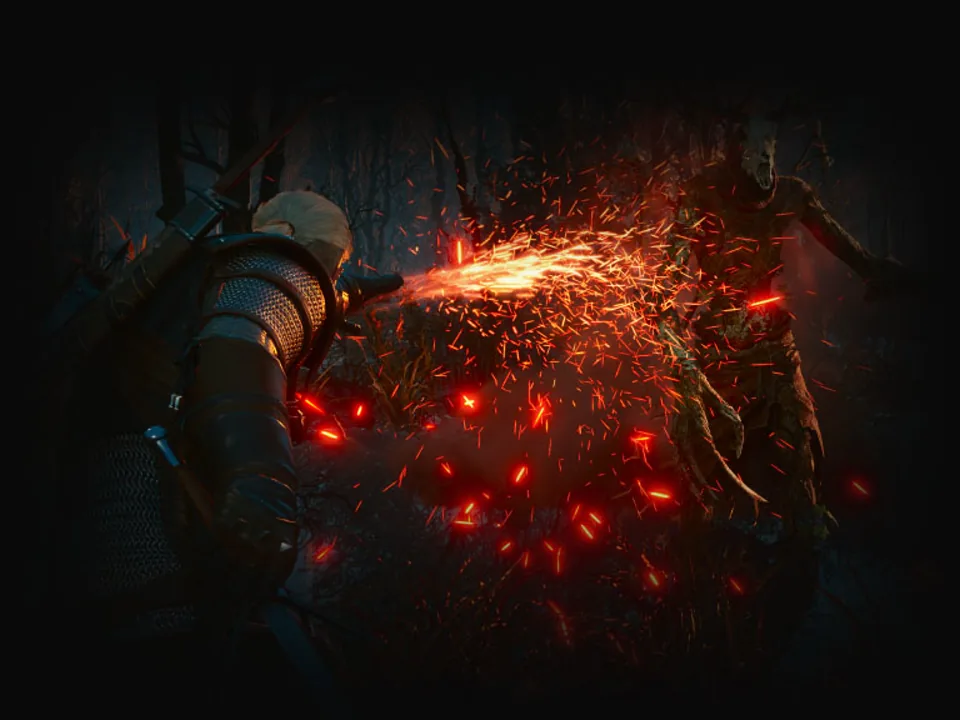
Combat
Combat is built from reading the enemy, choosing the right sword, and weaving defence with signs, bombs and alchemy.
Open verified answer ↗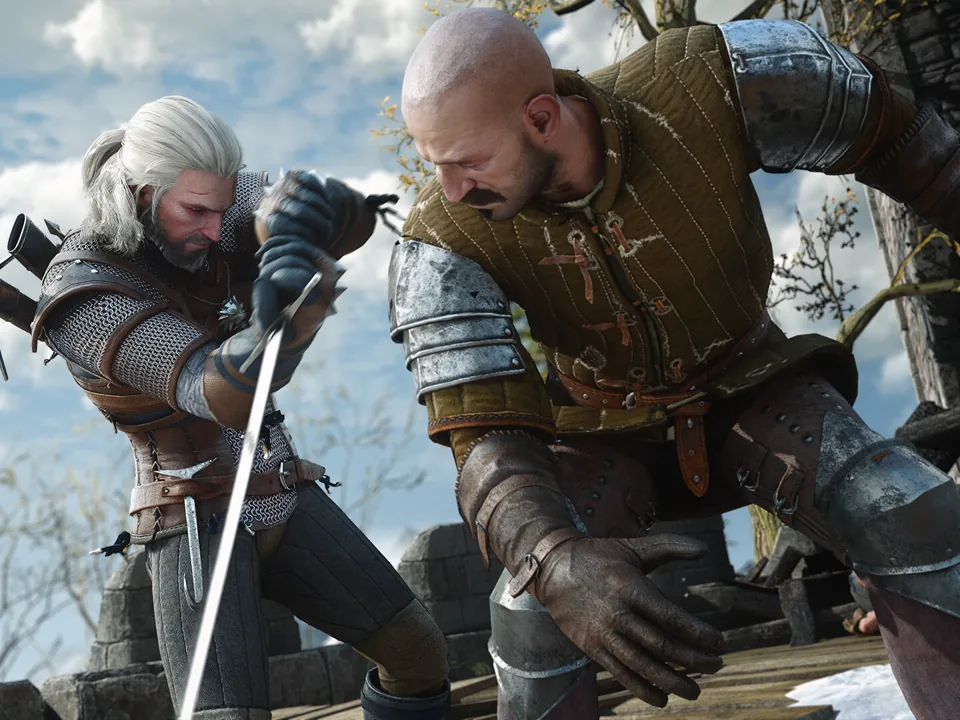
Feline Witcher Gear
Feline gear is the light Cat School set for fast attacks, critical pressure and a higher-damage, lower-margin playstyle.
Open verified answer ↗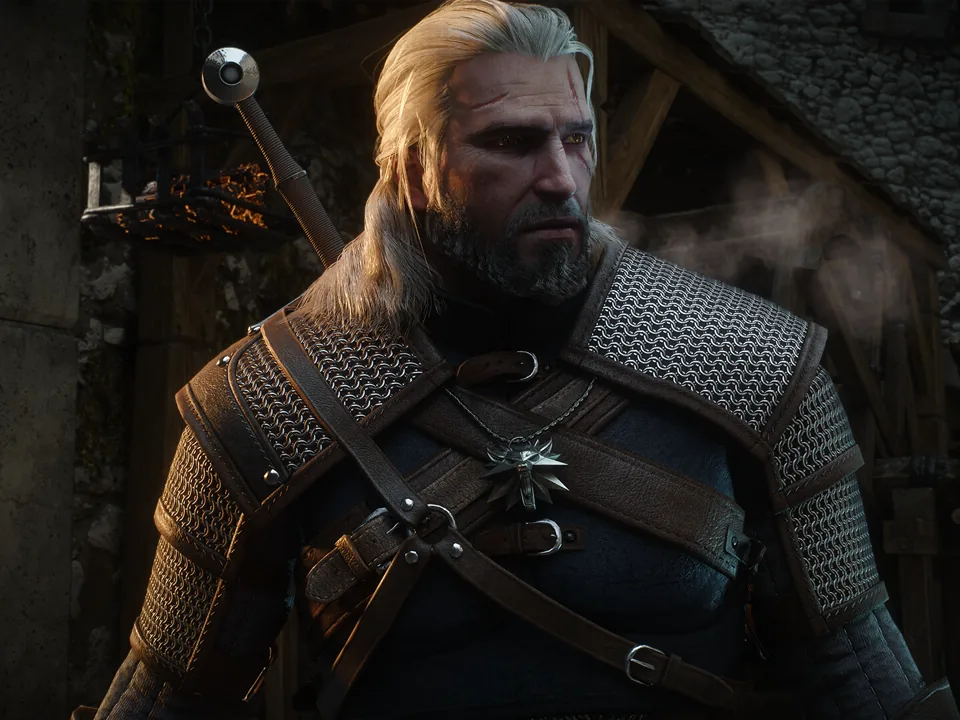
Griffin Witcher Gear
Griffin gear is the medium Griffin School set built around sign intensity and a more controlled, magic-heavy combat loop.
Open verified answer ↗